
7 Bad Habits for Skin That May Be Accelerating Premature Aging
Updated: Jun 29
Many people focus on skincare products while overlooking the bad habits for skin that may be contributing to dullness, dehydration, and premature skin aging. While effective skincare products can support healthy-looking skin, certain lifestyle choices may accelerate visible signs of aging and affect overall skin health. While advanced skincare can certainly support healthy-looking skin, no cream can fully compensate for lifestyle choices that contribute to inflammation, collagen breakdown, and environmental damage.
So which habits are most harmful to your skin? While individual concerns vary, several common behaviors consistently impact skin health, affecting everything from hydration and barrier function to long-term skin aging.
1. How Smoking Contributes to Premature Skin Aging
Among the many habits that age your skin, smoking is one of the most significant. Research has consistently linked smoking and skin aging, showing that cigarette smoke can contribute to wrinkles, loss of elasticity, and a dull complexion.
Unlike many skincare concerns that affect only the skin's surface, smoking impacts skin health from within. It is one of the most significant lifestyle factors contributing to premature skin aging. According to Mayo Clinic, smoking narrows blood vessels and damages collagen and elastin, which can lead to wrinkles and loss of skin elasticity. Nicotine constricts blood vessels, reducing blood flow and oxygen delivery to skin tissues. At the same time, cigarette smoke generates oxidative stress, which accelerates the breakdown of collagen and elastin—the proteins responsible for keeping skin firm and resilient.
Over time, smoking may contribute to:
Fine lines and wrinkles
Loss of elasticity
Dull-looking skin
Uneven skin tone
Slower wound healing

Smoking can also impair the skin's ability to recover from cosmetic procedures, injuries, and inflammation. While skincare can help support the appearance of healthy skin, no topical ingredient can fully reverse the biological effects of chronic smoking.
2. Why Sun Exposure Is One of the Biggest Causes of Skin Aging
If smoking is an internal accelerator of skin aging, ultraviolet (UV) radiation is the external one.
Research has consistently identified UV exposure as one of the leading causes of premature skin aging. The FDA notes that UV exposure breaks down collagen and elastin fibers, contributing to wrinkles, dark spots, and other visible signs of photoaging. Excessive sun exposure damages collagen fibers, weakens elastin, contributes to uneven pigmentation, and increases the risk of skin cancer.
One of the most concerning aspects of sun damage is that it accumulates gradually over time. While a tan may fade after a few weeks, the underlying cellular damage often remains long after the visible color disappears.
Many consumers spend significant amounts on anti-aging products while neglecting daily sun protection. Yet sunscreen remains one of the most effective investments you can make for your skin.
The truth is simple: Contrary to popular belief, a tan is not a sign of healthy skin. Johns Hopkins Medicine explains that tanning is the skin's response to ultraviolet radiation and indicates underlying cellular damage.
3. How Alcohol Can Affect Your Skin's Appearance
The relationship between alcohol and skin health is often underestimated.
One of alcohol's most immediate effects is dehydration. After a night of drinking, skin may appear less plump, less radiant, and more fatigued. Fine lines can appear more noticeable, and overall skin brightness may decline temporarily.
Long-term excessive alcohol consumption may also contribute to chronic inflammation, which has been associated with redness, sensitivity, and accelerated skin aging. Individuals prone to rosacea often notice that alcohol can trigger flare-ups and visible redness. According to Cleveland Clinic dermatologists, alcohol can dilate facial blood vessels, making redness and flushing more noticeable, particularly in individuals prone to sensitive skin conditions.
Alcohol may further impact skin health indirectly by disrupting sleep quality and influencing other lifestyle factors that support healthy skin.
While occasional alcohol consumption is unlikely to dramatically affect the complexion, it is not a habit that actively benefits skin health.
4. Can Lack of Sleep Affect Your Skin?
The connection between sleep and skin health is underestimated. During sleep, the body performs essential repair processes that help support recovery, barrier function, and overall skin resilience.
Most people have experienced the visible effects of a poor night's sleep: puffiness, dullness, dark circles, and a generally tired appearance. These changes are not simply cosmetic—they reflect important biological processes occurring beneath the surface.
During sleep, the body performs many essential repair functions, including:
Tissue recovery
Hormonal regulation
Inflammatory control
Cellular repair
When sleep becomes chronically inadequate, skin often becomes less resilient and slower to recover from environmental stressors. Over time, poor sleep may contribute to increased inflammation, compromised barrier function, and more noticeable signs of aging.
Even the most sophisticated skincare routine cannot fully compensate for a consistent lack of restorative sleep.
5. Why Sleeping in Makeup Is Bad for Your Skin
Few skincare mistakes are as easy to fix—and as commonly ignored—as sleeping in makeup.
Throughout the day, the skin accumulates sunscreen, makeup, oil, sweat, and environmental pollutants.
Leaving these substances on the skin overnight can contribute to:
Congestion
Breakouts
Irritation
Slower skin renewal
Proper cleansing is an essential part of maintaining healthy skin. The American Academy of Dermatology emphasizes that makeup, oil, and environmental debris can contribute to clogged pores and breakouts when left on the skin. While occasionally falling asleep with makeup on is unlikely to cause lasting damage, making it a habit can place unnecessary stress on the skin and interfere with its natural overnight recovery process.
A thorough evening cleanse remains one of the simplest and most effective skincare habits available.
6. How Your Diet Can Influence Skin Health
The phrase "you are what you eat" may be oversimplified, but nutrition undeniably influences skin health. This relationship, between diet and skin health, is well established. While no single food can transform your complexion overnight, long-term eating habits can influence hydration, skin barrier function, and overall skin appearance.
The skin relies on a steady supply of nutrients to support:
Collagen production
Barrier function
Antioxidant defenses
Tissue repair
Diets that consistently lack nutrient-dense foods may eventually contribute to dullness, slower healing, and reduced skin resilience.
No single food determines skin quality, just as no single "superfood" can create perfect skin. Healthy-looking skin is typically supported by balanced, long-term dietary habits rather than quick fixes.
7. Why Picking at Pimples Can Damage Your Skin
Many people unconsciously touch their faces throughout the day. Even more problematic is the habit of squeezing blemishes and picking at imperfections.
Every contact transfers oil, dirt, bacteria, and environmental debris from the hands to the skin. For acne-prone individuals, this can contribute to irritation and breakouts.
Picking at blemishes may also:
Delay healing
Increase inflammation
Leave post-breakout marks
Increase the risk of scarring
Similarly, neglecting simple hygiene habits, such as changing pillowcases regularly or cleansing after excessive sweating, can create conditions that make irritation and blemishes more likely.
Healthy skin does not require perfection, but it does benefit from mindful habits.
Healthy Skin Habits That Support Long-Term Skin Health
Wear SPF daily
Prioritize sleep
Stay hydrated
Avoid smoking
Limit alcohol
Eat a balanced diet
Avoid picking at your skin
Cleanse your skin every evening
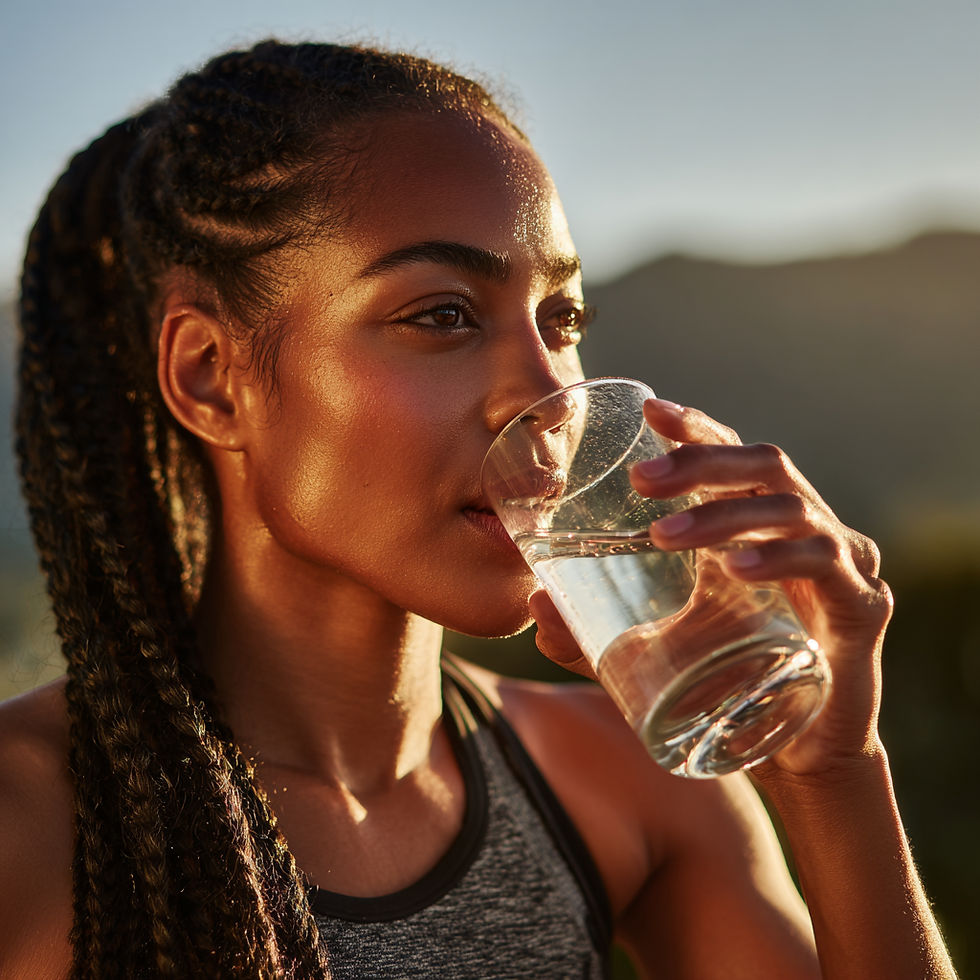
The Key to Healthy, Younger-Looking Skin
Understanding the bad habits for skin is just as important as choosing the right skincare products. While ingredients such as retinol, peptides, niacinamide, and hyaluronic acid can support healthy-looking skin, reducing the everyday habits that age your skin may have an even greater long-term impact.
In many cases, healthy-looking skin is the result of daily choices that influence inflammation, hydration, recovery, collagen preservation, and barrier function. While effective skincare products can help support your skin's needs, they work best when combined with healthy lifestyle habits.
The path to healthier-looking skin is often simpler than we think—and consistency is what makes the difference.
References:
U.S. Food & Drug Administration. The Risks of Tanning
https://www.fda.gov/radiation-emitting-products/tanning/risks-tanning
Johns Hopkins Medicine. Preventing Skin Cancer.
https://www.hopkinsmedicine.org/health/conditions-and-diseases/skin-cancer/preventing-skin-cancer
Cleveland Clinic. How Alcohol Affects Your Skin.
https://health.clevelandclinic.org/how-alcohol-affects-your-skin
American Academy of Dermatology Association. Face Washing 101.
https://www.aad.org/public/everyday-care/skin-care-basics/care/face-washing-101
American Academy of Sleep Medicine. Healthy Sleep Resources.
National Institutes of Health. Nutrition and Skin Aging: Evidence-Based Review.


Comments